
Patchy Evidence
Intriguing themes at Flatpack Festival's opening film, the UK premiere of 'Chaplin: Spirit of the Tramp' [Thu 8 May]. It's a beautiful, epic documentary about the relationship that Charlie Chaplin's many scions had with their famous forebear. A central claim of the doc is that Chaplin was a Brummie, or rather that he was born in a Gypsy community in Black Patch park, Smethwick. Rumours circulated for decades before Jack Hill wrote to Chaplin directly in 1970 to say he was born in a caravan in Black Patch, and that the writer was the last person alive to know the truth. Chaplin received and kept the letter, obviously intrigued too. What was interesting on the film's opening night is how the story was regarded by its various stakeholders.
Granddaughter Carmen Chaplin's documentary draws the historian's conclusion, namely that there isn't enough evidence to conclude anything with certainty. She diplomatically deflected an impassioned suggestion from the audience during the Q&A that on a recent visit to Black Patch, she surely must have felt in her heart that the claim was true. The askee was local to Black Patch and had only recently heard the story. Carmen, without the same emotional geographic investment, replied with 'my father certainly believes so.'
The historian's job often is to say how probable a claim is, rather than to offer no comment or to unhelpfully state that a claim is 'possible', a position which is more the realm of storytellers for to some degree most things are possible, just with longer odds. In this sense, the historian is a detective, attempting to assess the possibilities to be able then to lean into a probability. Possibly ≠ probably.
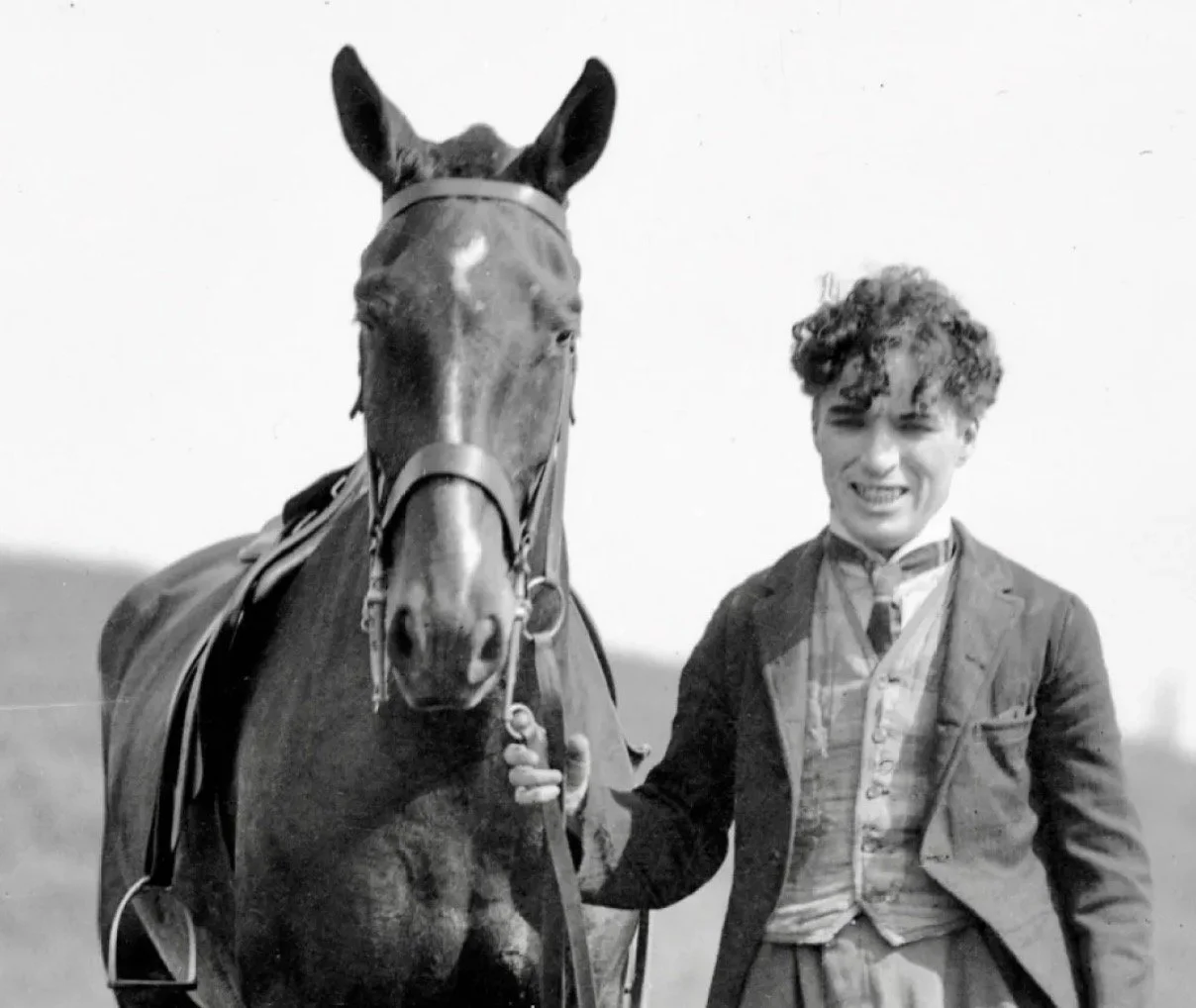
‘Charlie Horse’
It is not contested that Chaplin had Romany blood on both his parents' sides, and his mother Hannah was openly proud of her roots with her son. To complicate matters, Hannah told her son that he was born in various exotic locations such as Odessa (then in Russia) or Fontainbleu (France) as well as East Street, Walworth SE17. Black Patch was not mentioned, at least not in terms of what Charlie communicated in interviews over the years. He would follow his mother's prompt, and the Gypsy tradition, of sharing several conflicting origin stories…Chaplin was a storyteller too. However, he actively embraced his heritage: his autobiography makes it apparent and his celebrated character The Tramp certainly celebrates the life and adventures of a nomadic outsider.
Let's assume that Hannah's sole non-exotic location of Elephant and Castle is the likely non-fiction version of Chaplin's birthplace, perhaps arming him with all the possibilities and allowing him to grow up into the likely truth. We would have to question why Black Patch was never mentioned or shared with her son, given her pride in her roots. It was not to deny her humble residence if Walworth was the suggested fictional smokescreen.
We should also look at the origins of the Black Patch birth rumours to establish a timeline. Accounts of the rumour circulating in the Black Country can be traced back to the 1940s, being shared even outside the Romany community. However, there is no trace of the rumour from the earliest peak of Chaplin's popularity in the 1920s, or before his mother's death in 1928. The sheer scale of his fame is a certainly a significant factor in the surfacing of the story: bold claims, rumours and folklore surround any off-the-chart superstar. Claims of knowing them, having gone to school with them, having worked with them, having lent money to or even having had a child with them materialise as a way to be part of that celebrity's momentum, especially when the star is escaping an impoverished background. The documentary reminded me of the truly chilling fanaticism shown by his grave being dug up and his corpse kidnapped. It would be surprising if alternate reality stories did not surface.
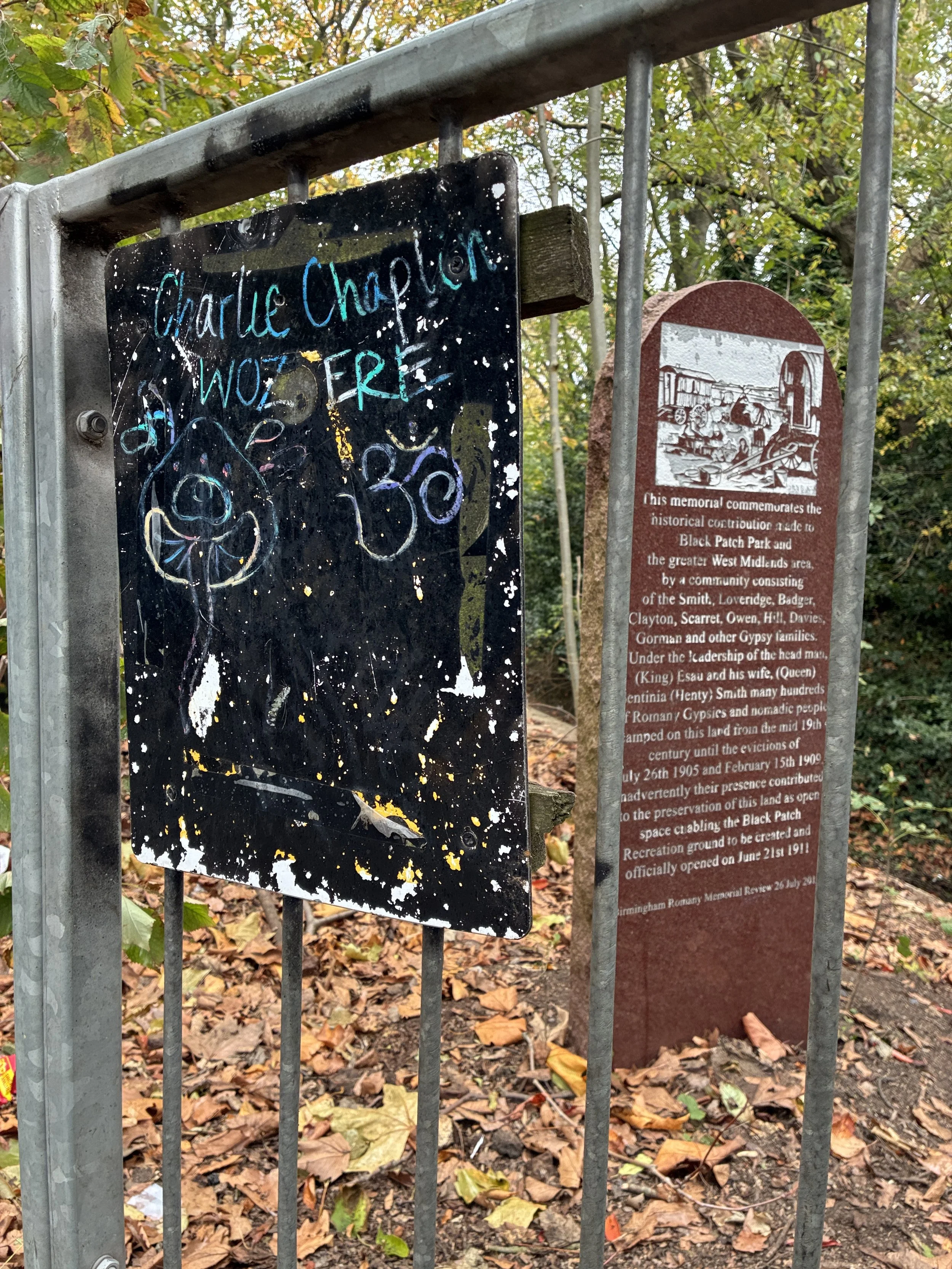
‘Charlie Woz Ere’
'You are a little liar!' states Jack Hill in his 1970 letter to Charlie, angered by a perceived denial of Chaplin's roots, and perhaps written having recently read his 1964 autobiography. Hill is then more forgiving as he explains 'you don't know where you were born'. The letter is a generations-later expression of the rumour from someone genetically very close to the source, but who himself has only heard rumours. It does not constitute proof, merely one more thing to consider in the greater portfolio of evidence. So, while the claim is possible, it would leave more questions unanswered than simply accepting the much more likely London birth.
In the same way that the Flatpack audience member and Black Patch local urgently wanted to believe, so too years ago did the traveling community, from sometime after his mother's death. The tradition being celebrated here is an old and noble one: historically, Birmingham is known for welcoming everyone to its heart, including (wherever possible) the ghosts of celebrities and superstars.
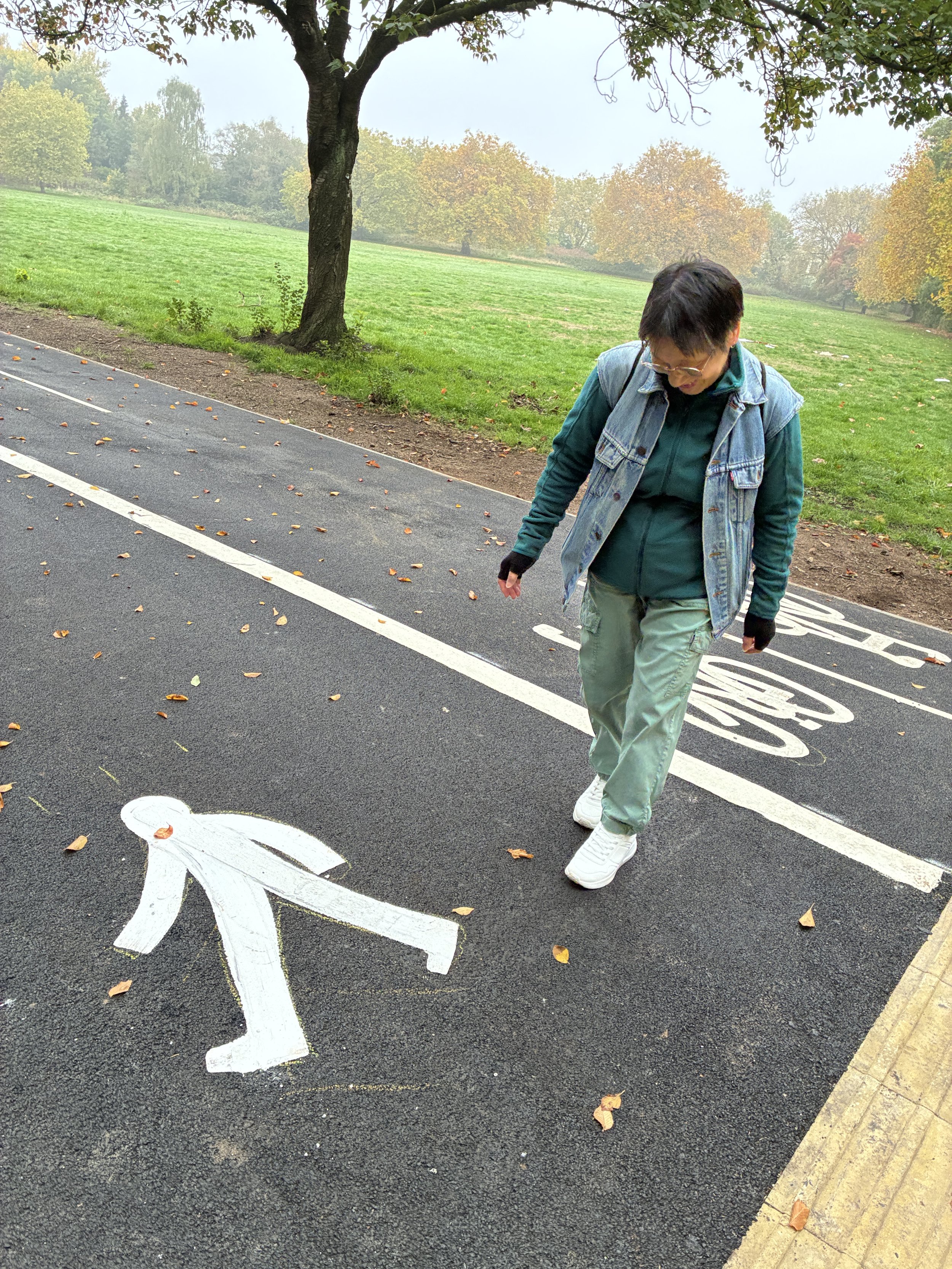
Black Patch travellers